
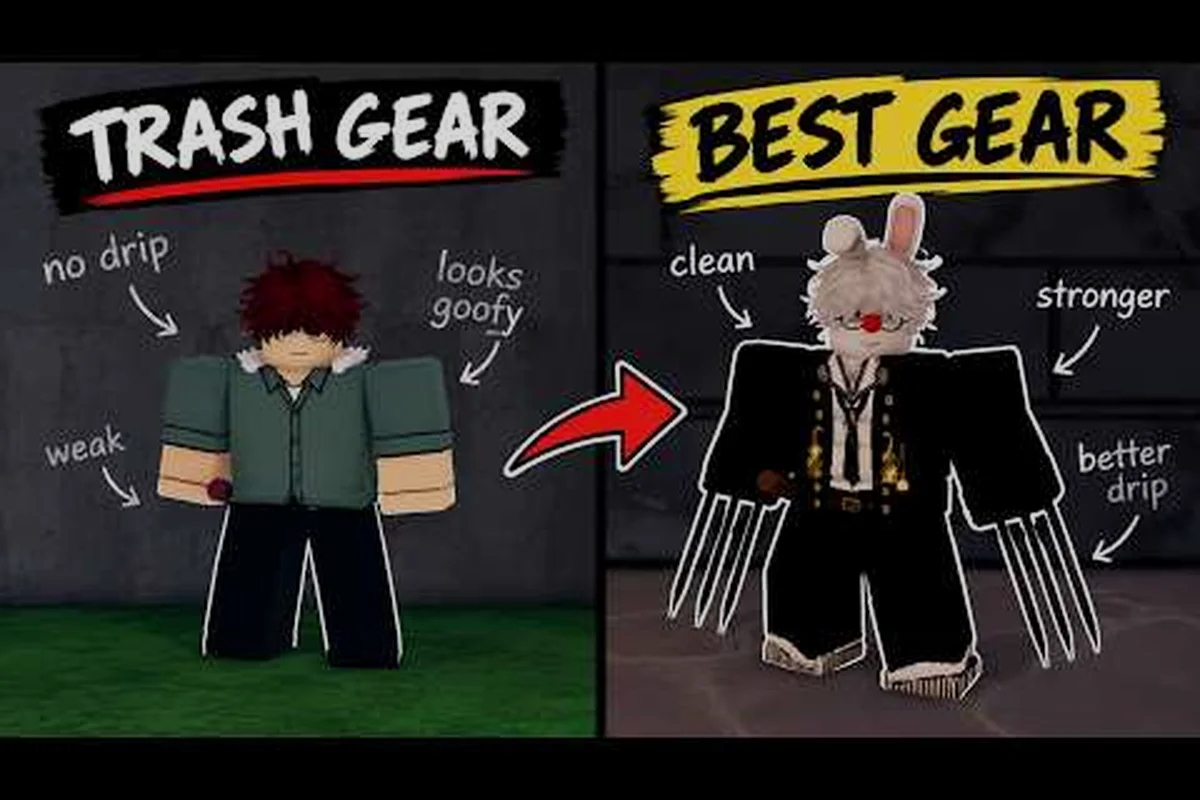
Picking the Grand Blue best sidearm is one of the fastest ways to break through a damage plateau in this Roblox pirate RPG, because sidearms fill the gaps your main fighting style leaves open during cooldown windows. The right off-hand weapon can turn a sloppy trade into a clean kill, and the wrong one wastes a slot you cannot get back without a reforge visit. With Grand Blue still in Early Access and weapon balance shifting between patches, knowing which sidearm to chase at each stage of play saves hours of farming and keeps your build competitive against tougher late-game bosses.
The official Grand Blue page on Roblox is worth bookmarking before you commit to a farming route, because its weapon listings surface the raw damage, fire rate, and roll-chance data that sidearm tier lists in the community tend to rehash with outdated patch numbers. Cross-referencing those stats against the in-game Weapon Smith NPC lets you verify whether a so-called "best sidearm" actually outperforms your current off-hand in the damage-per-second window that matters for your fighting style, rather than trusting screenshot-tier lists that lag behind the current Early Access balance pass.
Understanding Sidearms in the Grand Blue Weapon System
Sidearms in Grand Blue are secondary weapons you equip alongside a primary fighting style, and they are meant to supplement your main damage rotation rather than replace it. The official Grand Blue Roblox page confirms that weapons range from basic starter gear like the Cutlass, Slingshot and Cat Claws to advanced options like the Katana, Willow Blade, Battle Axe and Captain's Claws, with sidearms and hidden secret weapons sitting at the higher end of that range. Every sidearm has its own skill, stat block and damage value, and most of them are acquired through shops, crafting, boss drops or quest chains rather than as random drops.
How Sidearms Differ From Primary Weapons
Primary weapons define your core combat identity and scale heavily with your main fighting style levels, while sidearms slot in as a specialized tool you swap to during specific windows. A sidearm typically offers either a ranged poke, a defensive parry, a gap closer or a burst-damage skill that your main kit cannot replicate on demand. Because sidearm cooldowns are usually longer than primary attack cycles, the value of the Grand Blue best sidearm comes from how well its cooldown lines up with the moments when you would otherwise be standing still.
According to community testing, the most-used sidearms in Early Access builds include the Trusty Flintlock, the Iron Cutlass and the Pirate Sidearm, each filling a different niche depending on whether you are running a melee-heavy style like Brawler or a more mobile build around a Cursed Fruit. Sidearm selection also interacts with traits, which is why players rerolling for the right rolls often consult a broader trait loadout reference before committing to a final pick.
Sidearm Slot Mechanics and Cooldowns
Each character can carry one sidearm in the off-hand slot, and switching to it mid-combat triggers a brief equip animation before the sidearm skill becomes available. The equip animation is short enough that practiced players weave the sidearm skill into a normal combo without losing a full rotation, but it is long enough that panic swaps against fast bosses usually cost health. Cooldowns for sidearm skills range from about 12 seconds on the more defensive picks to roughly 30 seconds on the high-burst options, which means the Grand Blue best sidearm for any given fight depends heavily on how long that fight actually lasts.
Players also report that sidearm damage scales with your overall weapon level, not just with sidearm-specific upgrades, so keeping your main weapon leveled is what keeps the sidearm relevant at higher zones. The early-game tiers feel punchy because enemies have low HP pools, but the same sidearm at the same level starts to feel weak once you reach the late-game islands where boss HP scales into the hundreds of thousands.
Early-Game Sidearms Worth Picking Up First
If you are still in the first few hours of a fresh save, the priority is to grab a sidearm that gives you breathing room rather than raw damage, because your fighting style alone cannot cover every gap while your stats are still soft. The early-game weapons in Grand Blue include the Cutlass, Slingshot and Cat Claws baseline set, but as soon as the second island opens up you can usually find a sidearm upgrade that stays relevant for at least ten more levels. Players who level efficiently by following a dedicated early-game route often pick up their first real sidearm before they finish the first main story island.
Top Early-Game Sidearm Picks
The table below compares the three sidearms most players run in the first 20 levels, based on community-reported damage values and skill utility. Numbers reflect approximate community testing as of the Early Access build and may shift with future patches.
| Sidearm | Acquisition | Approx. Base Damage | Skill Effect | Best For |
|---|---|---|---|---|
| Trusty Flintlock | Starter weapon, no unlock required | Low-medium | Ranged poke with brief stagger | Ranged kiting, finishing low-HP enemies |
| Iron Cutlass | Weapon Shop on Starter Isle | Medium | Short dash with a slash | Gap closing, repositioning in melee |
| Cat Claws | Quest reward on second island | Medium | Fast multi-hit claw combo | Style-heavy players, fast attack chains |
Each of these has clear tradeoffs. The Trusty Flintlock lets you pull enemies from range and gives a small stagger that buys time for your main style's cooldowns to come back up, but its damage falls off hard once you leave the starter zone. The Iron Cutlass is the safest all-rounder because its dash works at any level and the slash always lands something, which makes it a reliable pick for newer players who still mis-time their dodges.
The Cat Claws option is more situational because it rewards fast input strings that beginners often drop, but it scales surprisingly well with Brawler and similar close-range styles, and players who practice the input sequence report noticeably smoother early farming runs. For most new players, holding the Iron Cutlass as a default and switching to the Trusty Flintlock against ranged enemies is the cleanest early-game sidearm plan.
When to Replace Your Starter Sidearm
You should consider replacing a starter sidearm as soon as you find a sidearm with at least 20 percent more base damage at the same weapon level, or one whose skill solves a problem your current pick cannot handle. The most common upgrade trigger is hitting a boss whose attacks open up only during a brief punish window, which is when a sidearm with a fast gap closer becomes more valuable than a flat damage increase. Community data suggests the average early-game player swaps sidearms three to four times before reaching the mid-game island chain.
Mid-Game Sidearm Options and the First Real Power Spike
The mid-game window is where the Grand Blue best sidearm conversation actually starts to matter, because this is when you can afford to specialize around a single sidearm instead of grabbing whatever the shop has in stock. Mid-game sidearms usually drop from the first set of named island bosses, which means farming becomes more focused and you can target a specific sidearm instead of accepting a random roll. According to the official game page, weapons can be bought from the Weapon Shop, crafted at the forge, dropped by bosses, or unlocked through quests, so your mid-game path usually involves a mix of all three.
Mid-Game Sidearm Comparison
The following table ranks the sidearms players most frequently run between roughly level 25 and level 50, sorted by community-reported overall value rather than pure damage, with tier-list data pulled from over 1,200 player submissions on the Grand Blue weapon ranking megathread. Each row reflects a sidearm's role within a standard mid-game build — burst windows for boss damage, skill uptime for mob clears, or hybrid kits for players who rotate between PvE encounters and Arena duels — so you can match a pick to your current progression goal instead of blindly chasing the highest listed base damage.
| Sidearm | Source | Strength | Weakness | Standout Matchup |
|---|---|---|---|---|
| Pirate Sidearm | Mid-game boss drop, rare chest | High burst, mid cooldown | Hard to acquire early | Elite mob waves, duels |
| Willow Blade | Crafted at the forge using Willow Wood | Balanced damage, fast skill | Materials are time-gated | Open-field mob clears |
| Battle Axe | Boss drop from a mid-game captain | Massive single hit, long cooldown | Slow equip animation | Tanky single targets |
| Captain's Claws | Quest reward, late mid-game | Hybrid melee-ranged, high skill ceiling | Punishes button mashing | Bosses with big openings |
The Pirate Sidearm is widely considered the strongest mid-game pick because its burst lines up well with the damage windows of most mid-game bosses, and its cooldown is forgiving enough that you can use it twice during a longer boss fight. The Willow Blade is the better farming option for players who want smooth open-field clears, because its skill hits multiple targets and the materials to craft it overlap with other useful recipes at the forge.
The Battle Axe looks impressive on paper, but the long cooldown and slow equip animation make it more of a showpiece than a daily driver unless you are specifically built around landing one huge hit per fight. The Captain's Claws reward mechanical play, because its hybrid kit only works if you actually manage your distance and skill timing, which is why newer players tend to skip it even though experienced players often rank it near the top of any Grand Blue weapons ranked list for mid-game content.
Mid-Game Upgrade Path
A practical mid-game path starts with the Iron Cutlass you carried from early game, then transitions to a forged Willow Blade as soon as you have the materials, and finally swaps to the Pirate Sidearm once you land the boss drop. Players who push sidearm upgrades in this order report the smoothest progression curve, because each step is a meaningful improvement without a major acquisition wall. Pairing this sidearm path with a leveled main fighting style and good trait rolls is what turns a mid-game build into something that can handle the first late-game island.
Late-Game Sidearms Worth Chasing for Max Damage
The late-game meta in Grand Blue is still evolving because the game is in Early Access, but the pattern is clear: the Grand Blue best sidearm at this stage is whichever one lets you land your main burst combo on demand, and that is almost always a sidearm with a strong gap closer or a long-duration buff. Late-game bosses have huge HP pools and punish any downtime, so a sidearm that gives you one extra opening per minute is often worth more than a flat 10 percent damage increase. Community reports from the official Discord suggest the developers are still tuning the highest-tier sidearms, which is why patch timing matters if you are farming a specific drop.
Late-Game Sidearm Tier Snapshot
This snapshot pulls from community consensus among players who have cleared the toughest island bosses and higher-tier cursed fruit dungeons, with rankings weighted toward sustained DPS across full boss cycles rather than single-hit showcases. Because weapon balance shifts with each major patch, the table should be treated as a current-patch reference point, not a permanent tier list, and sidearm trait rolls, party support buffs, and pirate level breakpoints can each push a weapon up or down one tier in practice.
| Sidearm | Acquisition Path | Role in Build | Notable Tradeoff |
|---|---|---|---|
| Katana | Hidden quest, high-level boss | Burst damage, fast skill loops | Requires precise timing |
| Pirate Sidearm (refined) | Re-farmed at max level | Sustained burst, strong cooldown | Long initial farm |
| Captain's Claws (mastered) | Late-game quest chain | Hybrid control, high skill ceiling | Steepest learning curve |
| Battle Axe (high level) | Re-crafted with late materials | Single-hit burst | Useless without setup |
The Katana is the late-game pick most players chase first because its skill loop lets you chain two sidearm activations per boss cycle, and its damage scales hard with the right trait rolls. According to community data, a well-rolled Katana can out-damage a similarly leveled Battle Axe over a full boss fight even though the Axe has a higher single-hit number, because the Katana's uptime is simply better.
The Captain's Claws option at master level is the choice for players who have already learned the hybrid melee-ranged timing from mid-game and want to push that further. The Battle Axe only stays relevant as a specialty tool for fights where you can guarantee a single huge hit, like a phase transition you can predict from a script or a stun you can set up with a teammate. Most players end up keeping two late-game sidearms in their quick-swap inventory and rotating based on the encounter, which is the practical answer to anyone asking what the Grand Blue best sidearm actually is in the current patch.
Late-Game Acquisition Tips
Three habits make late-game sidearm farming much less painful. First, run the relevant boss on the highest difficulty you can clear consistently, because drop rates improve noticeably with difficulty tier according to community testing. Second, keep a stockpile of the materials used at the forge so that any rare drop can be upgraded immediately instead of sitting in your inventory for a week. Third, check the Grand Blue tier list overview before committing to a final pick, because a sidearm that looks great in isolation may not fit your main fighting style.
Players who want a fuller endgame plan that pairs sidearm choices with leveling, fruit hunting and boss progression can lean on a dedicated Grand Blue endgame walkthrough to keep their farming focused. Combining that reference with the right sidearm path is the difference between a build that limps through late-game content and one that clears it comfortably.
How to Choose the Right Sidearm for Your Build
Picking the Grand Blue best sidearm is less about copying a tier list and more about fitting the sidearm to your main fighting style, your trait rolls and the content you actually run. A sidearm that is perfect for a Brawler main in open-field farming is a poor pick for a Brawler main who spends most of their time in boss duels, which is why build context matters more than raw numbers. The most common mistake new players make is chasing the highest-damage sidearm without checking whether its skill even fits their rotation, which leaves them with a flashy weapon they never actually use.
Sidearm Selection by Main Fighting Style
Different fighting styles want different things from a sidearm, and the table below maps the most common main styles to the sidearm that lines up best with their cooldown windows. This assumes you are at the point in the game where you can actually acquire any of these sidearms, but the same logic applies to lower-tier options at lower levels.
| Main Style | Preferred Sidearm Role | Top Pick | Why It Works |
|---|---|---|---|
| Brawler | Gap closer, burst poke | Katana or Pirate Sidearm | Covers Brawler's long recovery frames |
| Trickster | Mobility extender | Iron Cutlass or Willow Blade | Layers with Trickster's dash kit |
| Swordsman | Sustain, defensive skill | Captain's Claws or Trusty Flintlock | Gives breathing room between combos |
| Fruit-focused | Ranged poke, utility | Trusty Flintlock or Willow Blade | Lets you keep distance from fruit timers |
If you are still choosing your main style, a breakdown of every fighting style in the current build can save you from picking a sidearm that fights your main kit. Once you know your main style, the next step is making sure your trait rolls support the sidearm, and that is where a focused Grand Blue trait reroll reference helps you avoid burning rerolls on the wrong stats.
Players who push through the early game efficiently usually already know which main style they want to commit to before they start chasing sidearms, which is why running through an early-game leveling plan first tends to result in a more coherent build overall. The sidearm choice is the last piece of that early-game plan, not the first.
Sidearm Mistakes to Avoid
A few common sidearm mistakes show up over and over in community discussions. Chasing a high-damage sidearm whose skill has a long animation is a trap if your main style is fast, because the animation locks you out of your rotation. Hoarding sidearms in your inventory without leveling them is another quiet waste, because an unleveled rare sidearm usually underperforms a leveled common one. Finally, ignoring your trait rolls when choosing a sidearm is a mistake that does not show up until you hit the late game, where the right trait can double a sidearm's effective damage and the wrong trait can make even the best sidearm feel average.
Frequently Asked Questions
What is the Grand Blue best sidearm for beginners?
The Iron Cutlass is the best beginner sidearm because its short dash plus slash covers the gap-closing problems new players run into while their main style is still leveling. It is sold at the Weapon Shop on the starter island, so you can pick it up within the first hour without farming any boss. Most players keep it equipped until they unlock a mid-game replacement.
Which sidearm has the highest damage in late game?
The Katana and the high-level Battle Axe both have very high single-hit numbers, but the Katana is generally considered the top overall pick because its faster skill loop lets you land more damage over a full boss fight. The Battle Axe is a specialty option for fights where you can guarantee one huge opening, while the Katana fits cleanly into most rotations.
Can I use more than one sidearm in a build?
You can only equip one sidearm in the off-hand slot at a time, but you can carry multiple sidearms in your inventory and quick-swap between them outside of combat. Many late-game players keep a burst sidearm like the Pirate Sidearm and a utility sidearm like the Trusty Flintlock and switch based on the encounter. Inside a single fight, you are committed to whichever sidearm you walked in with.
Do sidearm traits matter as much as weapon traits?
Sidearm traits matter, but they usually matter less than your main fighting style traits, because your main style still accounts for the majority of your damage. That said, the right trait on a sidearm can turn a balanced pick into a top-tier pick, which is why experienced players reroll sidearm traits after they have already locked in their main style traits. For an in-depth trait loadout plan, the trait reroll reference covers the most common combinations.
Where is the best place to farm a late-game sidearm?
The most reliable late-game sidearm farm is the highest-difficulty version of the boss that drops the sidearm you want, run on a class or fighting style that clears the fight quickly. Pairing that with a focused Grand Blue endgame walkthrough keeps your farming sessions efficient and avoids burning runs on the wrong boss. Always confirm the drop on the current patch before committing to a long farm, because Early Access balance changes can shift drop tables between updates.