
Traits
Grand Blue traits guide: passive boosts that define endgame builds — tier list, reroll strategy and which traits are worth keeping or trashing.
Introduction
Traits are passive boosts rolled onto your character in Grand Blue, and they quietly define how strong your build really is. A single legendary or mythic trait can outvalue hours of grinding, while a bad common trait can hold your damage back no matter your fruit or weapon. Trait Rerolls — earned from codes like RollWithIt and OmegaCode and from quests — are the currency of this system, letting you re-roll a weak passive toward something meta-relevant. This guide ranks the trait tiers, explains which traits matter for damage, farming and PvP, and lays out a reroll strategy that gets the most value from every free Trait Reroll.
Trait Tiers Overview
| Tier | Type | Value | Best For |
|---|---|---|---|
| S | Mythic Traits | Rarest, best-in-slot | Endgame builds |
| A | Legendary Traits | Strong passives | Reliable damage and speed |
| B | Rare Traits | Decent boosts | Early and mid-game |
| C | Common Traits | Weak passives | Reroll as soon as possible |
Trait Tiers
Mythic Traits
The rarest trait tier — best-in-slot passives that define endgame builds and chase targets.
Legendary Traits
Strong passives that slot into almost any pirate build with reliable damage or speed bonuses.
Rare Traits
Decent middle-ground passives that carry you through the early and mid-game comfortably.
Common Traits
Weak passives that hold your build back — the first target for your Trait Reroll stockpile.
Core Mechanics
Traits work as passive modifiers that attach to your character and amplify specific stats — damage, attack speed, cooldown, critical chance and more. When you roll a trait, you receive a rarity from Common to Mythic, and the rarity strongly correlates with the strength of the bonus. Trait Rerolls let you try again, replacing the current passive with a fresh roll, and they are the only reliable way to fix a bad trait. Because the system feeds on scarce reroll currency, the math matters: rolling every chance you get is wasteful, while saving rerolls for a focused improvement campaign gives you the best expected value per reroll. The community tracks which traits define the meta each update, so pairing a top trait with a top fruit and style compounds into a genuinely endgame character.
Advantages
Traits are the cheapest high-impact upgrade in Grand Blue once you have rerolls to spend. A single mythic trait can change your farming speed, your PvP win rate or your boss clear time more than a full gear set, and because they persist across content they are a permanent investment. Codes like RollWithIt and OmegaCode give you an immediate stockpile of Trait Rerolls, which lets free-to-play players participate in the trait meta without spending real money. Finally, the trait system creates a satisfying progression loop — each reroll is a chance to spike upward, and knowing when to stop keeps the spending efficient.
Challenges
The trait system is pure RNG, and RNG can drain your reroll supply with no payoff. Rolling for a mythic trait specifically can burn dozens of Trait Rerolls while commons keep showing up, which makes the system feel punishing after a bad streak. The value of a trait also depends on the current meta, so a passive that is strong today can fall off after a balance patch, forcing players to reroll what they just kept. Finally, trait data is community-verified rather than officially published, so exact roll weights and tier odds are estimates that can shift between updates. The best defense against this is a clear stopping rule: define what trait you will accept before you start rolling, and walk away when you hit it.
Frequently Asked Questions
How do Trait Rerolls work in Grand Blue?+
Which trait should I keep?+
How many Trait Rerolls should I spend?+
Quick Tips
Redeem RollWithIt and OmegaCode early for the Trait Rerolls — rolling a solid legendary early beats hoarding rerolls while your farming speed suffers. Define a stopping rule before you start rolling — decide which tier you will accept, then stop the moment you hit it instead of chasing a perfect mythic.
Identify your build's single most valuable stat and target traits that boost it. Generalized rolls are fine, but specialized traits compound much harder in the endgame. Define a stopping rule before you start rolling — decide which tier you will accept, then stop the moment you hit it instead of chasing a perfect mythic.
Stop rerolling the moment you land a legendary that fits. The odds of upgrading further drop hard, and the rerolls you save fund your next build. Define a stopping rule before you start rolling — decide which tier you will accept, then stop the moment you hit it instead of chasing a perfect mythic.
Featured
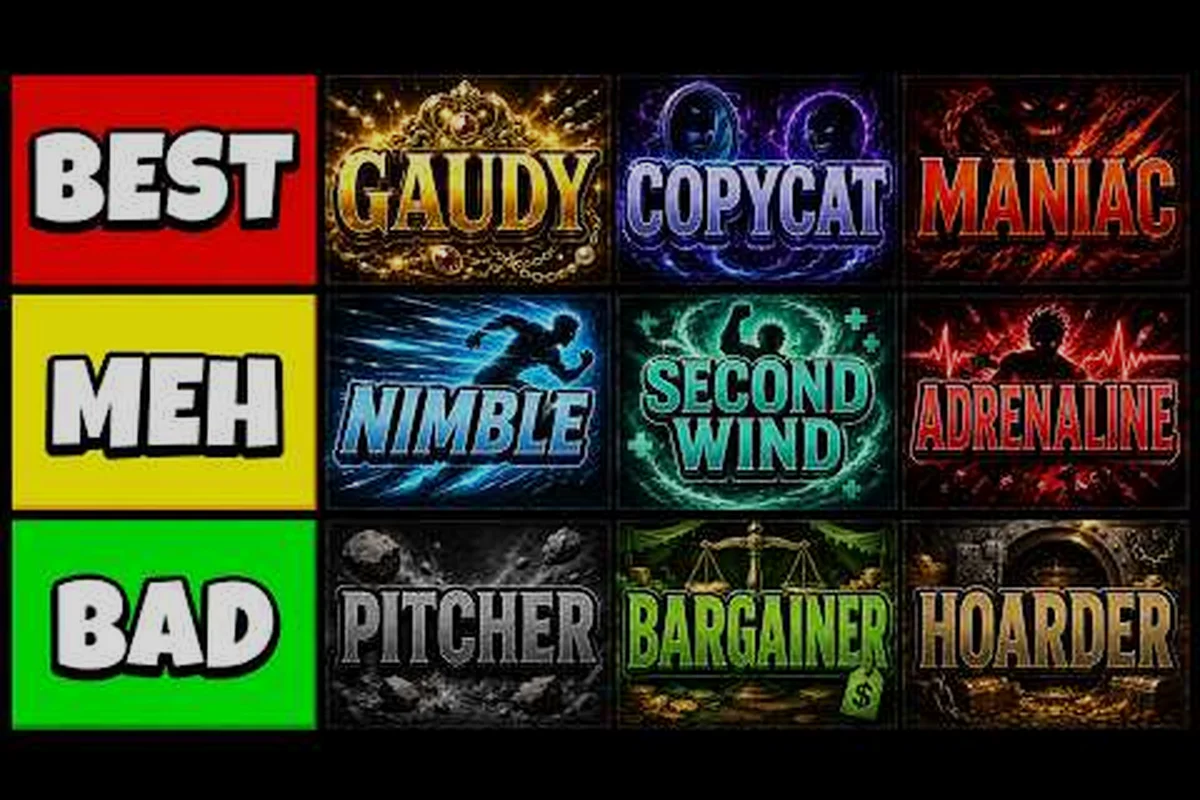
Grand Blue Legendary Trait: Buffs, Drop Rate & How to Get One
Discover what makes the Grand Blue legendary trait the rarest roll in the game, how mythic and celestial traits compare, and the best way to land one on your pirate.

Grand Blue Trait Tier List: Best Traits, Reroll & Damage Picks
Rank every Grand Blue trait in this tier list, find the best damage pick for PvE, and learn reroll tricks, codes, and how to keep the strongest rolls on your pirate.

Grand Blue Best Trait for Farming: Top XP, Drop & Speed Rolls
Max your grind in Grand Blue with the best trait for farming, covering top XP, drop rate, and cooldown rolls that speed up leveling on every island.
All Articles
Grand Blue Trait Damage Boost: Critical Hits & Burst Rolls
Max your output with this Grand Blue trait damage boost guide, breaking down crit, attack speed, and cooldown rolls so every hit lands harder in PvE and PvP.

Grand Blue Trait for Races: Best Pairings & Worst Picks
Pair every Grand Blue race with the right trait for races setup: tier-ranked picks and which rolls to reroll away.

Grand Blue Trait Roll Guide: When to Reroll & Top Builds
Learn the smartest Grand Blue trait roll strategy, from reroll timing and save points to the strongest loadouts for weapons, fruits, and fighting styles.
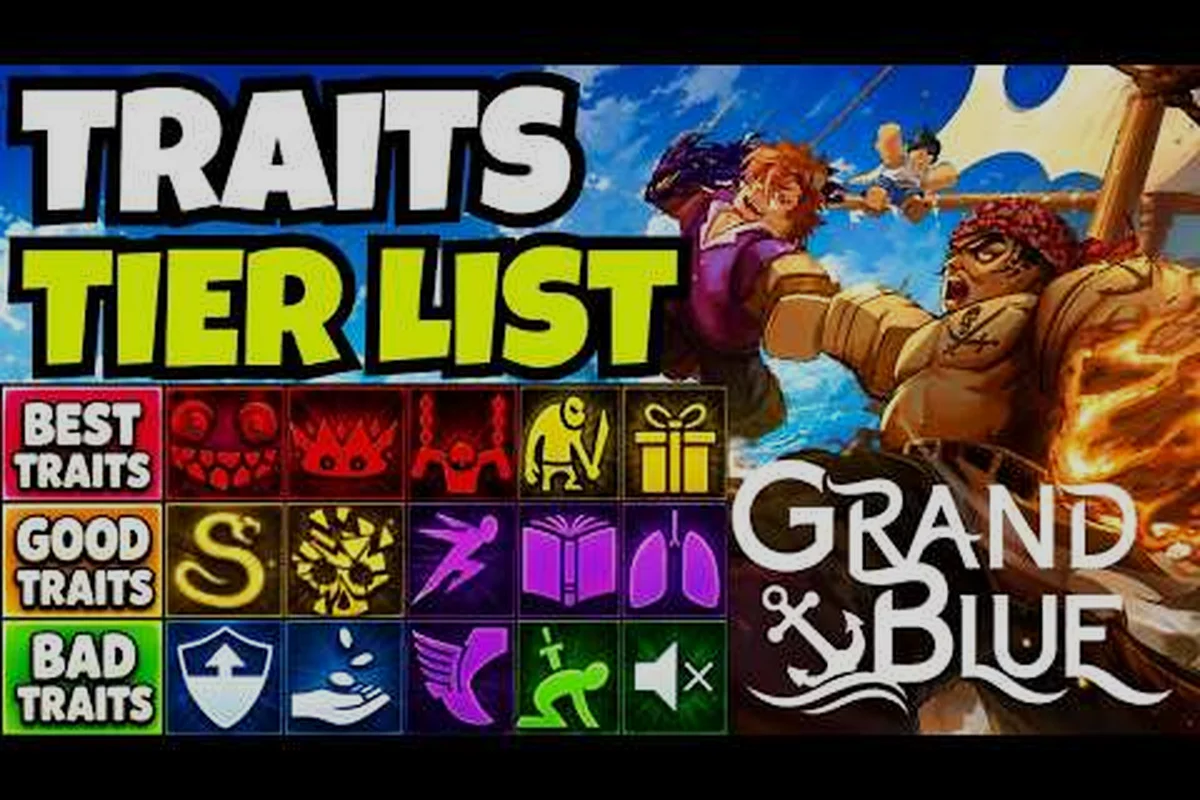
Grand Blue Reroll Till Legendary: Combo, Synergy & Tips
Optimize your Grand Blue reroll till legendary strategy: best trait combos, synergies, and passive buffs that push your build forward.