
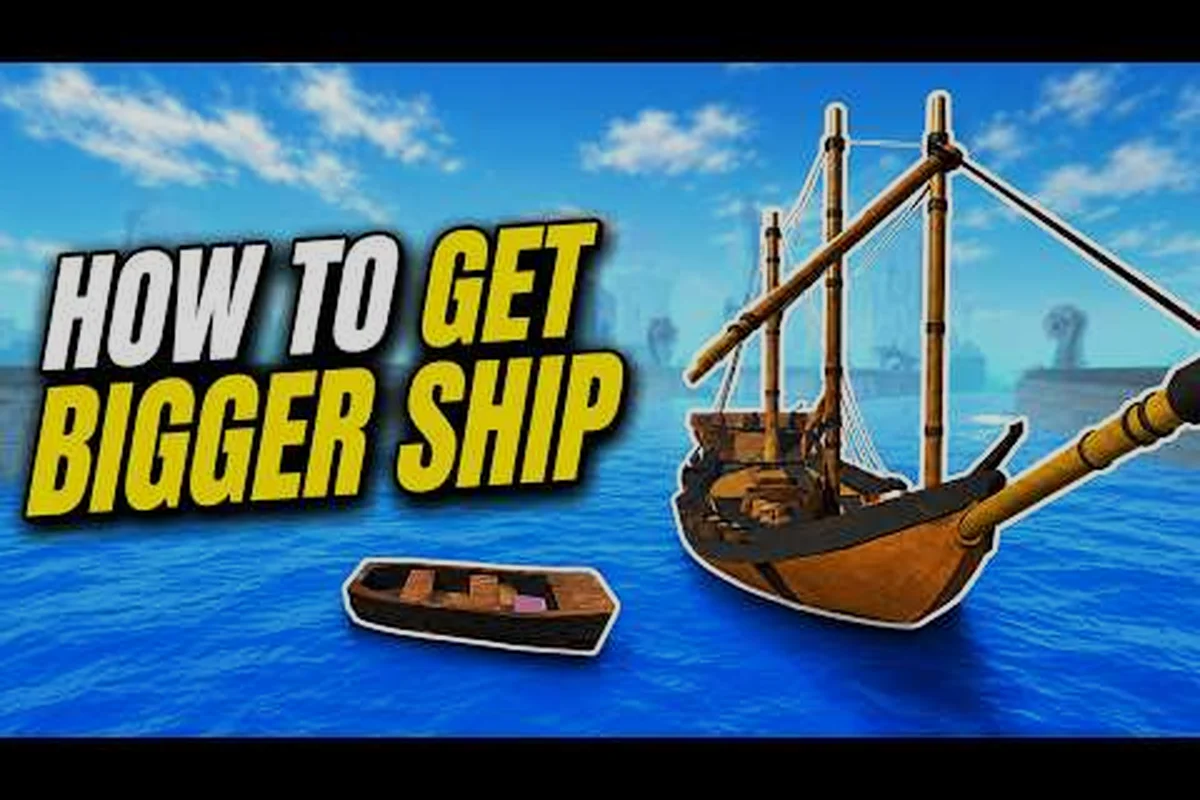
Your Grand Blue starter boat is fine for the first island hop, but the moment a sea beast rams your starboard hull you learn a hard lesson about ship upgrades. Every sail you raise, every cannon you slot, and every plank you reinforce decides whether a voyage is a ten-minute breeze or a costly detour back to port. This Grand Blue ship upgrade guide breaks down which hulls are worth the grind, which parts move the needle on speed and durability, and how to sequence your purchases so you are not overpaying for a mid-game vessel that gets outclassed within two sea zones.
Ship List, Upgrade Path and Progression
Grand Blue is an open-world pirate RPG on Roblox where sailing is the connective tissue between combat, quests, and Cursed Fruit hunts. According to the official Grand Blue page on Roblox, players set sail between islands in Sea 1 using a small starter boat, then graduate to bigger vessels as they level up. The core of the grand blue ship list is currently built around three milestones: the basic dinghy you spawn with, a mid-tier brig that becomes available once you hit the level gate, and the high-end flagship that anchors late Sea 1 content.
Ship progression in this title is intentionally tied to level milestones and in-game currency rather than a free-form crafting tree, which keeps the early-to-mid path predictable for new captains. Community data from the official Grand Blue Discord and the developer X account @ThatNoobSoul confirms that part slots — sail, hull plating, cannon, and figurehead — are the real upgrade surface once you own a hull, because every part has a tiered rarity that compounds with the base ship stats.
| Ship Tier | Player Level Gate | Approx. Cost (coins) | Role |
|---|---|---|---|
| Starter Boat | Level 1 | Free | Island hopping, quests |
| Brig Ship | Level 25+ | ~50,000 | Open-sea travel, sea beast fights |
| Flagship | Level 60+ | ~250,000 | Boss voyages, large storage runs |
The biggest mistake new players make is dumping coins into cosmetic parts before reaching the level gate for a bigger hull. Because the hull itself is the largest single jump in hp and storage, prioritizing hull ownership over part rarity is the most efficient way to spend your first big payout.
What Stats Actually Matter on a Ship
Speed, durability, and storage are the three stats the game surfaces in the ship menu, but they do not carry equal weight. Speed is the multiplier that decides how often you can chain voyages in a session, durability is the buffer that keeps you from spending coins on repairs mid-run, and storage is the ceiling on how much loot you can ferry back from a single island cluster.
A common community heuristic, repeated on the Grand Blue Discord, is that durability and storage scale linearly with hull tier while speed scales with the sail part. That means two players in the same brig can have noticeably different travel times depending on whether they have equipped a rare sail or stuck with the default one. Once you understand this split, every part slot has a clear job and every coin spent has a visible return.
Grand Blue Best Ship by Use Case
There is no single grand blue best ship because the answer changes with your level band and your playstyle. A level 15 player chasing quest turn-ins wants speed and storage; a level 70 player running boss voyages wants raw durability and cannon slots. The table below captures the community consensus on which hull fits which scenario, drawn from player reports on the Grand Blue Discord and patch-note reactions on the developer's X feed.
| Scenario | Best Hull | Why It Wins | Key Stat |
|---|---|---|---|
| Early quests and tutorials | Starter Boat | Free, no repair cost, fast enough for nearby islands | Travel Time |
| Mid-game sea beast hunts | Brig Ship | High hp, decent speed, opens cannon part slot | Durability |
| Late-game boss voyages | Flagship | Largest storage, best base cannon power, top hp pool | Storage Capacity |
| Solo grinding and Cursed Fruit runs | Brig Ship | Cheapest to maintain, good balance of all three stats | Repair Cost |
| Group play with a full crew | Flagship | Cannons scale with crew size, storage fits party loot | Crew Bonus |
Speed is rarely the deciding factor in a top-tier hull because the difference between a fully upgraded brig and a stock flagship is small compared to the gap in durability and storage. The flagship is the right answer for almost every late-game activity, but only if your wallet can absorb the ~250,000-coin price tag without starving your weapon and Cursed Fruit upgrade paths.
Why the Starter Boat Is Still Worth Respecting
The grand blue starter boat is not just a tutorial vehicle. For the first two or three level bands, it is actually the most efficient vessel in the game because every part you slot is cheap to replace and every repair is a trivial gold sink. Players who rush to buy a brig before they have the coin to kit it out often end up with a worse ship than a friend who stayed in the starter and stacked rare parts.
There is also a soft social upside: in busy server hubs, captains in starter boats are easy targets for sea-beast spawns but they are also nimble enough to dodge the bigger threats. Until you have a rare sail and at least a mid-tier hull plate, the starter is genuinely competitive on travel time for short routes.
Grand Blue Ship Upgrade Guide: Parts, Slots, and Priorities
The part system is where the grand blue ship upgrade guide earns its keep. Every hull exposes four part slots — Sail, Hull Plating, Cannon, and Figurehead — and each slot accepts a tiered item that ranges from common drops to rare rewards. Community testing on the Grand Blue Discord suggests that part rarity follows the same pattern as weapons: common, uncommon, rare, epic, with stats scaling roughly 15-20% per tier.
The biggest payoff comes from the Sail part because it is the only slot that directly improves travel time between islands. The next-best investment is the Hull Plating, which adds a flat hp bonus that compounds with your base hull hp. Cannons matter most during sea-beast fights and boss voyages, while Figurehead parts tend to offer mixed-stat bonuses that are nice but not decisive.
| Part Slot | Primary Stat | Secondary Effect | Priority Rank |
|---|---|---|---|
| Sail | Travel Speed | Wind handling | 1 (highest) |
| Hull Plating | Max HP | Repair efficiency | 2 |
| Cannon | Combat Damage | Boarding knockback | 3 |
| Figurehead | Mixed | Cosmetic flair | 4 (lowest) |
If your budget only allows one upgrade per session, spend it on the sail. Faster travel means more voyages per hour, which means more coins, which means faster access to the next hull tier. It is a feedback loop the community has nicknamed the "sail-first grind," and it is the single most-cited tip in the Grand Blue Discord's #ships channel.
How to Get Rare Parts in Early Access
Rare parts drop from a mix of sea-beast kills, elite chest rewards, and weekly events. According to patch notes circulated by Eternal Pose on the official Grand Blue group, drop rates for epic-tier parts are tuned to be achievable within a focused two-hour session at the level 40+ mark. Players below that level should expect uncommon parts as the realistic ceiling.
The most consistent early-route for parts is the sea-beast spawn loop on the eastern islands. Each kill has a chance to drop a Hull Plating, and the respawn timer is short enough that a focused captain can chain five or six kills per hour. Combine that with quest turn-ins for coin income, and you have a reliable upgrade pipeline without needing to wait for weekly events.
Speed Tuning and Stat Priorities for Fast Voyages
Speed is the stat most players obsess over, and for good reason. Every minute shaved off a voyage is a minute you can spend on combat, quests, or Cursed Fruit hunts. The trick is that speed is not just a sail number — it is the sum of your sail part, your hull's base speed stat, and any crew bonuses you pick up by sailing with a full party.
| Speed Source | Approx. Contribution | How to Maximize |
|---|---|---|
| Rare Sail Part | +20-25% | Farm sea-beast kills or buy from the market |
| Hull Base Speed | +10-15% | Upgrade to brig or flagship |
| Crew Bonus | +5-10% per mate | Sail with a full four-person crew |
| Figurehead Bonus | +3-5% | Equip a rare figurehead when affordable |
Solo players who cannot field a full crew should not stress the crew bonus. The sail and hull together account for the bulk of the speed gain, and a solo captain with a rare sail on a brig will out-travel a full crew in a stock starter. If you are running solo and want to maximize the grind, the Grand Blue farming guide covers route planning that pairs nicely with a speed-tuned brig.
When to Stop Spending on Speed
There is a real ceiling to how much speed matters. Once you can cross any single sea zone in under two minutes, additional sail upgrades yield diminishing returns because you spend more time loading in and out of zones than you save on the open water. Community data suggests that this inflection point sits around a fully upgraded rare sail on a brig hull. Beyond that, the next coin is better spent on durability or storage.
This is also the point at which many players pivot toward combat upgrades. A fast ship that cannot survive a single sea-beast ram is a liability, not an asset, and the Grand Blue weapon tier list is a useful reference for the next stage of progression once your hull is in good shape.
Hull Tier Comparison and Late-Game Goals
The flagship is the long-term goal for most captains, but it is worth understanding what you are paying for. The flagship triples the storage of the starter boat, roughly doubles the base hp, and unlocks the highest-tier cannon slot. It is also the most expensive repair target in Sea 1, so the flagship is best treated as a late-game reward rather than an early-to-mid purchase.
| Stat | Starter Boat | Brig Ship | Flagship |
|---|---|---|---|
| Base HP | Low | Medium | High |
| Storage Slots | 10 | 25 | 60 |
| Base Speed | Medium | High | High |
| Cannon Slots | 1 | 2 | 3 |
| Repair Cost (per voyage) | Trivial | Moderate | High |
A practical late-game path is to buy the brig as soon as you hit the level gate, kit it out with rare parts from sea-beast farming, and only consider the flagship once your coin buffer can absorb the cost without starving your other upgrade tracks. The flagship's storage advantage is genuinely transformative for boss voyages where you are ferrying rare drops back to port, but it is wasted on a captain who is still running beginner quests.
Sequencing Your Coin Spend
A common budgeting rule, repeated by veterans on the Grand Blue Discord, is to keep a 20% coin buffer at all times. That buffer protects you from surprise repair bills after a bad sea-beast fight and lets you pivot to a Cursed Fruit purchase if a rare one spawns during your session. The remaining 80% is your upgrade budget, and the priority order is hull first, sail second, hull plating third, and cannons last.
If you are still building up that buffer, the Grand Blue quest guide covers the highest coin-per-hour quest chains in the current patch, which lines up naturally with the "sail-first grind" mentality.
Frequently Asked Questions
What is the best ship in Grand Blue for solo players?
The brig is the best solo ship because it balances speed, durability, and storage without the flagship's heavy repair costs. A solo captain with a rare sail on a brig can handle sea-beast spawns, quest turn-ins, and most boss voyages in Sea 1, and the savings on repairs free up coin for weapon and Cursed Fruit upgrades.
How do ship upgrades work in Grand Blue?
Ship upgrades work through two layers: hull ownership, which is gated by player level and coin cost, and part slots, which accept tiered items for sail, hull plating, cannon, and figurehead. The hull is the biggest single jump in hp and storage, while parts are the recurring upgrade path you keep chasing as you find rarer drops.
Should I buy the flagship or save coins for parts?
Save for parts first. A flagship with stock parts performs worse than a brig with rare sails and hull plating, because the part bonuses compound on top of the base hull stats. The flagship is the right buy once you have a full set of rare parts ready to slot in, not before.
What is the fastest way to get a rare sail part?
The fastest consistent route is the eastern island sea-beast spawn loop, which drops hull plating and occasionally sail parts at a steady rate. Combine that with weekly events, which often boost rare part drop rates for a 24-hour window, and most players can field a rare sail within a focused two-hour session at level 40+.
Can I switch ships without losing my parts?
Yes, parts are bound to your inventory, not the hull, so you can move your full set from a brig to a flagship the moment you buy it. This is why veterans recommend stockpiling rare parts on a brig first, then transferring the whole kit when the flagship becomes affordable, instead of buying parts for a hull you do not own yet.