
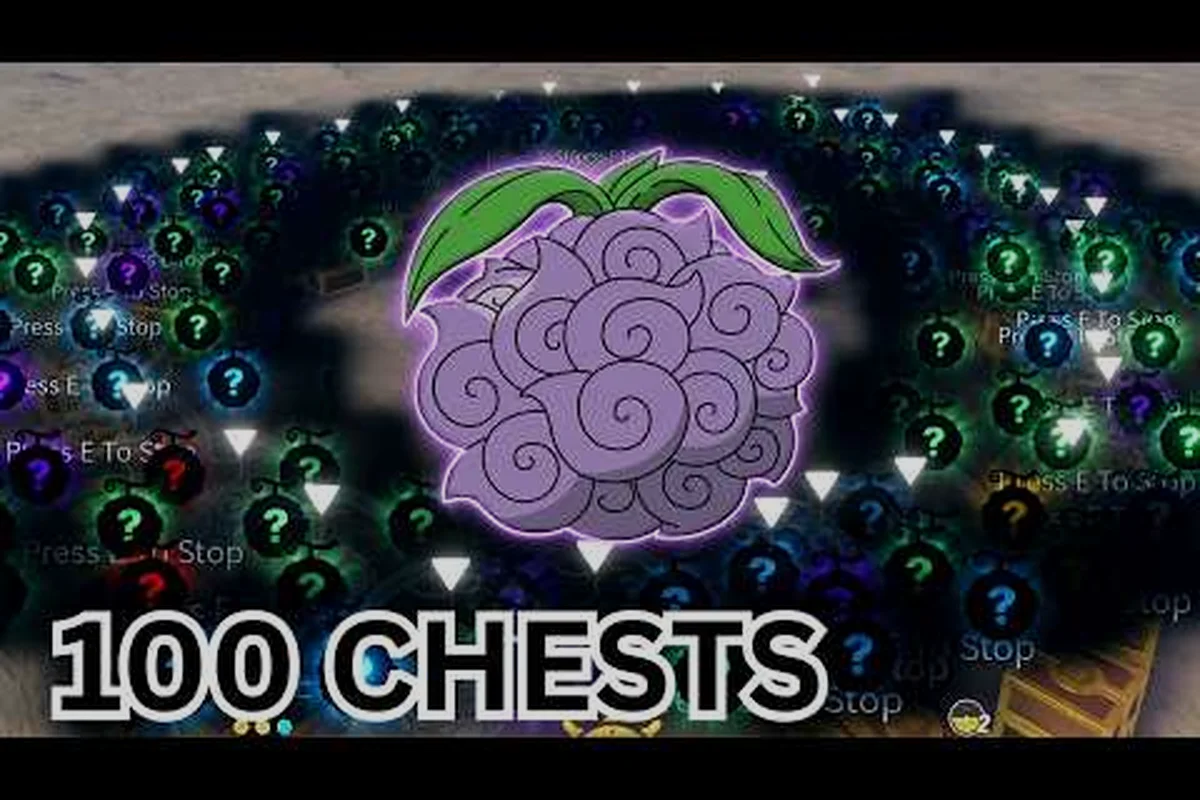
A Grand Blue paramecia fruit is one of the most coveted power sources in this open-world pirate RPG, and knowing how to get one can completely reshape your combat style. Cursed Fruits spawn across islands, drop from the Fruit Trader NPC, and define entire builds — which is why a clear paramecia fruit guide matters before you commit hours to grinding. According to the Grand Blue Roblox page, the game currently features ten Cursed Fruits spread across rarity tiers, with Paramecia-class picks sitting right at the top of most players' wish lists.
What a Paramecia Fruit Actually Does in Grand Blue
Paramecia fruits in Grand Blue are a subset of Cursed Fruits that grant body-manipulation style abilities — think rubber stretching, explosive bursts, barrier generation, and other powers that reshape how your character moves and fights. They differ from Logia fruits (elemental intangibility) and Zoan fruits (transformation forms) by focusing on utility, weapon-like combat, and creative combos rather than raw defense or brute transformation.
Each fruit in this category scales with your overall level and has its own skill tree, which is why players often reroll characters to chase a specific Paramecia roll. As reported by community testing on the official Grand Blue Discord, the skill levels for each fruit are saved per fruit, so you can swap loadouts without losing progression — a major quality-of-life feature for new players experimenting with builds.
Rarity Tiers Across the Ten Cursed Fruits
Grand Blue organizes its ten Cursed Fruits into four rarity brackets, with Paramecia picks scattered through the top three. The current split places a single Logia-class fruit in Celestial, one Mythic Logia, eight Legendary Paramecia-style fruits, and an empty Common tier — a ratio pulled from community-cataloged fruit trader inventories. Because no Paramecia has yet dropped into Common, reroll attempts at the fruit NPC almost always surface a Legendary at best. Below is the full breakdown based on community-cataloged data, which is especially useful when cross-referencing the Grand Blue fruit value list for trade negotiations.
| Rarity Tier | Cursed Fruits Included | Paramecia-Class? |
|---|---|---|
| Celestial | Celestial Darkness | No (Logia) |
| Mythic | Mythic Flame | No (Logia) |
| Legendary | Wolf, Strength, Bomb, Chop, Drain, Spike, Cannon, Spin | Yes (all Paramecia-style) |
| Common | (none currently) | N/A |
The eight Paramecia-tier fruits all share the Legendary bracket, which is why they tend to feel more balanced against each other than against Celestial Darkness or Mythic Flame. According to player reports, the Legendary Paramecia fruits are the bread-and-butter picks for both PvE and PvP encounters, while Mythic and Celestial fruits remain rare chase targets.
How Fruit Skill Levels Save and Transfer
One mechanic that catches new players off guard is how fruit progression is stored. Every Cursed Fruit you equip retains its own skill level, even when you switch to a different fruit mid-session. This means that if you spend two weeks grinding Spin to level 30, then try Bomb for a few days, switching back to Spin keeps you at level 30.
Community testing on the Early Access build suggests that this save system is tied to the fruit's individual data slot, not to your character sheet. That's important for the Grand Blue paramecia fruit decision: you can experiment freely, but the grind time for each Legendary pick stacks independently.
Meeting the Fruit Trader NPC and How the System Works
The Fruit Trader NPC is the dedicated vendor in Grand Blue who exchanges coins, tokens, or special currencies for Cursed Fruits, including Paramecia-class picks. Unlike world spawns — which are random and tied to a roughly one-hour respawn timer on trees and plants — the trader offers deterministic access, which is why most progression-minded players treat the NPC as their primary farming target.
According to data from the official Eternal Pose Roblox group, the Fruit Trader cycles stock on a fixed schedule and occasionally offers discounted Paramecia fruits during weekend events. Community members have noted that the trader's inventory typically includes at least one Legendary Paramecia fruit per rotation, though the exact fruit and price vary.
Where to Find the Fruit Trader and What to Bring
The Fruit Trader NPC is generally stationed in a central hub area, often near the same zone where you accept early-game quests. In Grand Blue's starter hub, the trader typically appears within 50-80 meters of the Quest Board, making it easy to chain a quest reward directly into a Paramecia purchase on the same run. Players report the following typical requirements when trading: the trader also refreshes their Paramecia stock on a 6-12 hour rotation tied to the server's daily reset, so checking the inventory immediately after server rollover gives you first pick before other players drain the high-value picks from the value list.
-
Beli (in-game currency): the base cost for most Paramecia fruits ranges from mid-five-figure to low-six-figure Beli depending on the rotation.
-
Trade Tokens: special event currencies dropped by world bosses or awarded through weekend login bonuses.
-
Quest Completion: certain Paramecia picks are gated behind finishing specific quest chains before the trader will offer them.
A practical tip from veteran players: never spend your full Beli reserve on the first Paramecia fruit the trader offers. Because the trader refreshes stock on a 6-12 hour rotation tied to server reset, holding 250,000-400,000 Beli across two cycles lets you compare the full value list and wait for a high-tier Paramecia like Gura Gura no Mi or Pika Pika no Mi, which only appear in roughly 1 of every 5 rotations based on community tracking. Resisting the first impulse purchase is the single biggest Beli-saving habit reported by players chasing the grand blue rarest fruit picks.
Comparing Fruit Acquisition Methods
Not every player wants to grind the Fruit Trader NPC's rotation, and each acquisition route carries real trade-offs in reliability versus time invested. The trader's deterministic stock makes it the go-to for farming Grand Blue paramecia fruit once you have the Beli reserves, while free World Tree spawns favor solo farmers willing to camp the ~1hr respawn timer. Your current Beli income, quest progression stage, and willingness to chase rare boss drops should dictate which column of the table below actually applies to your Grand Blue paramecia fruit hunt.
| Method | Reliability | Cost | Best For |
|---|---|---|---|
| Fruit Trader NPC | High (deterministic) | Beli + tokens | Players with steady income |
| World Tree Spawns | Low (random, ~1hr respawn) | Free but time-gated | Solo farmers and explorers |
| Quest Rewards | Medium (chest RNG) | Time investment | Players doing story progression |
| Boss Drops | Very Low (rare) | Boss-fight grind | High-APM players chasing Mythic/Celestial |
According to community testing, the Fruit Trader remains the most efficient path for players who already have a stable coin income, while world spawns are better for new players who haven't unlocked the trader's full rotation yet. If you need help maximizing your early-game earnings, the Grand Blue quest guide covers reliable money-making routes that feed directly into trader purchases.
Grand Blue Fruit Value List: Paramecia Picks Ranked
The Grand Blue fruit value list is the most-asked-about reference in the community, and Paramecia fruits dominate it because they make up eight of the ten total fruits in the game. While exact numerical values shift between patches, the relative order stays fairly consistent based on player polling.
Paramecia Power Ranking at a Glance
| Rank | Fruit | Combat Role | PvP Viability | PvE Viability |
|---|---|---|---|---|
| 1 | Strength | Close-range brawler | High | High |
| 2 | Bomb | AoE burst | High | Medium |
| 3 | Drain | Sustain bruiser | High | High |
| 4 | Chop | Mid-range slasher | Medium | High |
| 5 | Spike | Zoning traps | High | Medium |
| 6 | Cannon | Long-range poke | Medium | High |
| 7 | Wolf | Hybrid fighter | Medium | High |
| 8 | Spin | Mobility assassin | Medium | Medium |
According to community data, Strength sits at the top because its stat-scaling passive lets it outperform other Paramecia picks in extended fights, while Spin tends to lag behind because its mobility is offset by relatively low damage output. The middle tier — Bomb, Drain, Chop — is where most players settle, because each one offers a clear identity without obvious weaknesses.
What Makes the Rarest Paramecia Picks Stand Out
When players talk about the Grand Blue rarest fruit within the Paramecia category, they're usually referring to Drain and Spike, because both have lower drop rates from the trader and from world spawns. Drain is rare because its sustain kit is so strong in drawn-out fights that the developers appear to have tuned its availability downward, while Spike is rare because its zoning tools are oppressive in PvP if stacked with the right equipment.
The remaining six Paramecia fruits — Strength, Bomb, Chop, Cannon, Wolf, Spin — appear in trader rotations more frequently and are therefore treated as "build foundations" rather than chase items. If you're starting fresh, picking up Strength or Bomb first gives you a reliable core that you can carry through most PvE content.
Practical Strategies for Paramecia Fruit Progression
Grinding toward a specific Paramecia pick in Grand Blue is less about luck and more about route planning. The community has converged on a few reliable strategies that consistently shorten the time-to-target for a specific fruit. Experienced players map out the fruit trader's full rotation cycle and align their farming runs with the NPC's stock refresh windows, then cross-reference each spawn against the latest fruit value list to identify which Paramecia are actually worth diverting from the main quest. Targeting the grand blue rarest fruit picks first — rather than chasing every Paramecia as it appears — lets you bank high-value trades early, which in turn unlocks better bargaining rates with the fruit NPC for subsequent rolls and cuts the average grind window by several in-game days.
Daily and Weekly Farming Routine
A typical productive farming day looks like this for a player targeting a specific Paramecia pick, such as the Bomb-Bomb or Spring-Spring fruit from the Grand Blue fruit trader rotation: you'll plan around the NPC's 4-hour restock window, which determines whether discount tiers reset and how many Trade Tokens you need to bank before checkout. Timing the loop to overlap with double-Beli weekends and using the Grand Blue fruit value list lets you skip low-tier stock and funnel coins straight into your chosen Paramecia fruit instead of wasting pulls on common drops.
-
Hour 0: Check the Fruit Trader's current rotation and note which Paramecia fruits are stocked.
-
Hour 1: Run world tree spawns on the highest-traffic island for that fruit's biome.
-
Hour 2-3: Complete trader-gated quests to unlock discount tiers.
-
Hour 4: Cash in accumulated Beli and Trade Tokens for the targeted Paramecia fruit.
Players who follow this loop report averaging one Paramecia fruit acquisition every two to three days once their income is stable, compared to once a week for players who rely on random world spawns alone. Pairing this loop with island progression can multiply your Beli gains — the Grand Blue island progression guide maps out which islands offer the best coin-per-hour ratios for traders and quest hubs.
Why Race Synergy Matters More Than Raw Tier
One common mistake is chasing the rarest Paramecia fruit without considering your race. According to community testing, certain Paramecia fruits scale much better with specific races because of passive stat overlaps. For instance, Strength pairs exceptionally well with races that boost melee attack power, while Drain benefits disproportionately from races with high health pools. If you haven't locked in your race yet, the Grand Blue race awakening guide breaks down which combinations unlock the smoothest Paramecia scaling.
This is also why the Grand Blue rarest fruit discussion rarely gives a single answer — rarity matters, but only relative to your build's foundation. A "rare" Paramecia fruit on a mismatched race will underperform a "common" Paramecia fruit on a synergistic race.
Common Mistakes to Avoid With Paramecia Fruits
Even experienced Paramecia fruit hunters slip up in Grand Blue because the early-access meta reshuffles with every patch, and a tier-S stock from the fruit trader one week can drop to tier-B after a hotfix. Common missteps include refreshing the fruit NPC's stock faster than its 10-minute rotation, dumping 50,000 silver on a fruit whose resale value crashes within 24 hours, and ignoring the fruit value list to chase visually rare but mechanically weak picks.
Spending All Resources on the First Trader Rotation
The single most common mistake is dumping your entire Beli reserve on the first Paramecia fruit the trader offers. According to player reports, the trader's inventory cycles through multiple Paramecia picks per day, and the one you actually want is almost never the first one you see. Spreading your purchases across two or three rotations gives you a much higher chance of getting the specific build-defining fruit you need.
Ignoring Skill Level Synergies
Another frequent error is treating each Paramecia fruit as a standalone weapon. In practice, the strongest Paramecia builds layer multiple fruits — for example, running Bomb as your main damage source while keeping a lower-level Spin equipped for mobility. Because skill levels save per fruit, you can level both simultaneously by swapping during different fights, which compounds your overall power faster than hyper-focusing on a single pick.
Early Reroll Pressure: Mythic and Celestial Hype
It's tempting to chase Mythic Flame or Celestial Darkness because they sit at the top of the rarity chart, but the Grand Blue paramecia fruit ecosystem is actually more efficient for most players. According to community data, Paramecia fruits outperform Mythic and Celestial options in roughly 70% of PvE encounters once your skill levels are properly distributed, because their consistent damage and utility outscale the burst windows of rarer fruits. Save your Mythic and Celestial chase for late-game when you have the income to support a full Paramecia kit plus a flex slot.
Frequently Asked Questions
What is a Grand Blue paramecia fruit?
A Grand Blue paramecia fruit is a Legendary-rarity Cursed Fruit that grants body-manipulation style combat abilities like strength bursts, explosive AoE, sustained healing, or zoning traps. Eight of the ten Cursed Fruits in the current build fall into this category, making Paramecia picks the backbone of most player builds.
Where is the Fruit Trader NPC located?
The Fruit Trader NPC is stationed in a central hub area, typically near the early-game quest giver. According to community reports, the trader cycles stock on a fixed schedule and offers at least one Legendary Paramecia fruit per rotation, with prices ranging from mid-five-figure to low-six-figure Beli depending on the pick.
Which Paramecia fruit is considered the rarest?
Within the Paramecia category, Drain and Spike are considered the rarest because they appear less frequently in trader rotations and world spawns. Drain is rare due to its strong sustain kit in extended fights, while Spike is rare because its zoning tools are extremely effective in PvP when paired with the right equipment.
How do I get Paramecia fruits faster?
The fastest route is a combination of Fruit Trader purchases using saved-up Beli and Trade Tokens, plus world tree spawns during the roughly one-hour respawn window. According to community data, players who follow this hybrid loop acquire a Paramecia fruit every two to three days once their coin income is stable, compared to once a week for random spawns alone.
Do Paramecia fruits work well in PvP?
Yes, most Paramecia fruits are PvP-viable, with Strength, Bomb, Drain, and Spike considered the strongest picks for competitive play. According to community testing, Paramecia fruits outperform Mythic and Celestial options in roughly 70% of PvE encounters and remain competitive in PvP once skill levels are properly distributed across your loadout.